AI agent for WhatsApp Business: complete guide

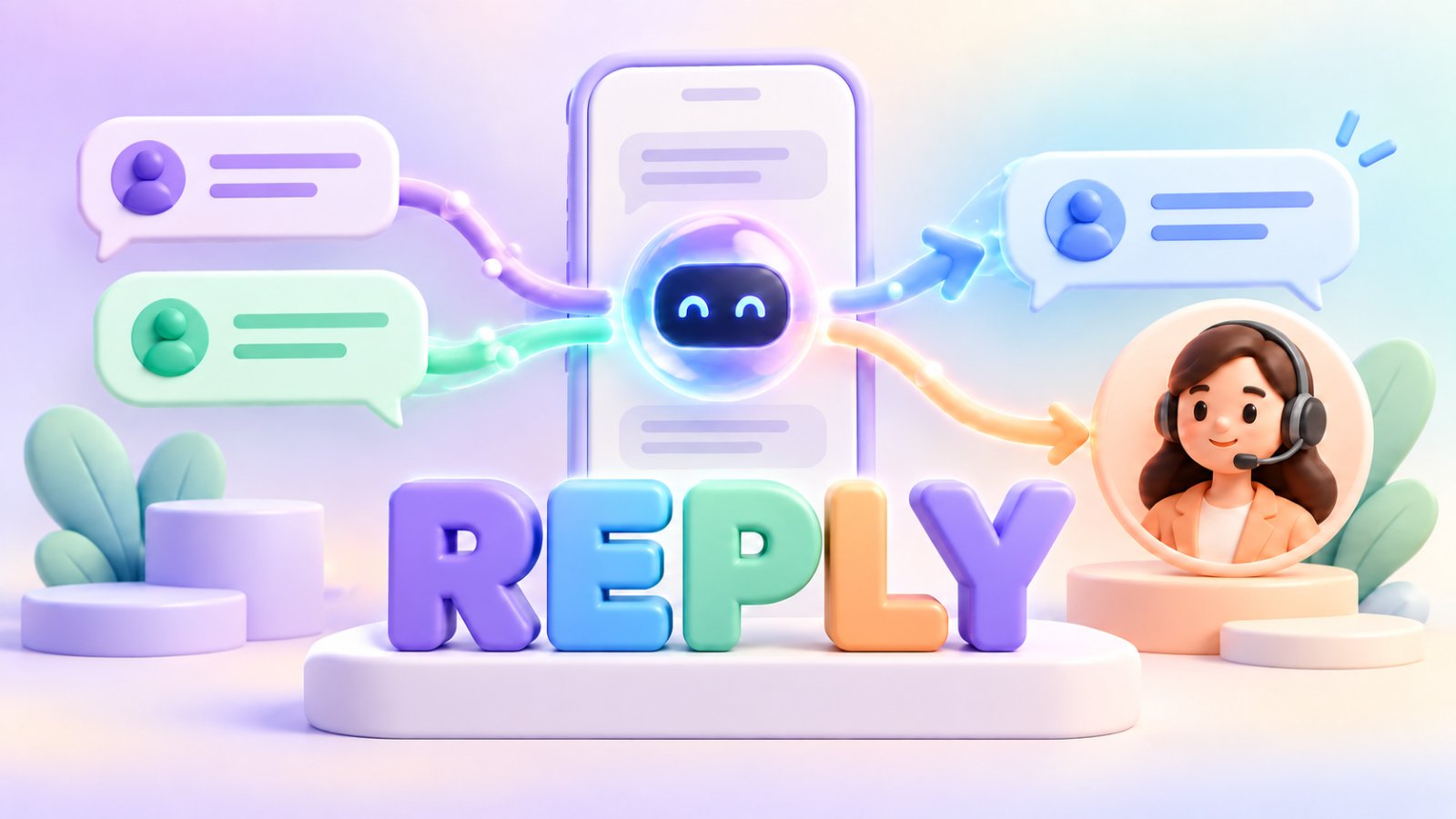
TL;DR
An AI agent for WhatsApp Business connects through the WhatsApp Business Platform, not through an unofficial personal-account workaround.
A useful agent needs approved content, clear action limits, a human handoff, and a tested failure path.
A WhatsApp chatbot follows a flow. A strong agent can understand varied questions and retrieve the right answer from business content.
A WhatsApp AI chatbot still has to follow Meta's opt-in, messaging-window, and template rules.
Matram's WhatsApp channel is rolling out. Teams can train the agent and prepare their content now, but must confirm availability before planning a launch date.
Introduction
A WhatsApp reply can arrive in seconds and still fail. If it invents a policy, loses the conversation, or traps the customer away from a person, speed only makes the mistake faster.
The right AI agent for WhatsApp Business does more than auto-reply. It answers from approved business content, keeps the thread useful, captures the next detail, and hands over before human judgment becomes necessary.
Matram's WhatsApp agent is built around that answer-first model. It brings the same content-trained agent used on the web into WhatsApp. The channel is still rolling out, so it is not enabled in every Matram workspace yet.
What is an AI agent for WhatsApp Business?
An AI agent for WhatsApp Business is software connected to a business number through Meta's WhatsApp Business Platform. It receives a customer message, finds the relevant business information, writes a reply, and sends it back in the same conversation.
The important difference is not the word “AI.” It is what happens when the customer's message does not match a scripted button.
A basic WhatsApp chatbot may follow a decision tree: choose sales, support, or order status. A WhatsApp AI chatbot can interpret free-form language such as, “Can I return this if I opened the box?” The quality then depends on where it gets the answer and what it does when the answer is missing.
Matram's model is grounded rather than open-ended. The agent retrieves from your website, help content, and files, answers from that material, and stays honest when the content does not cover the question. That is more useful than a fluent guess sitting permanently in a customer's chat history.
How the WhatsApp agent works
The customer sees one reply. Five critical decisions happen behind it.
| Stage | What happens | What to verify |
|---|---|---|
| 1. Message arrives | The customer messages your business number | The number is connected through Meta's official platform |
| 2. Webhook receives it | Meta sends the message event to the connected system | The webhook is verified and secured |
| 3. Agent finds context | The agent retrieves relevant approved content and conversation history | Old, conflicting, and private content is excluded |
| 4. Reply is sent | The agent answers in the same WhatsApp thread | The answer stays within policy and approved scope |
| 5. Action or handoff | The agent captures a detail, routes the conversation, or brings in a person | The customer never reaches a silent dead end |
Meta's WhatsApp Business Platform uses the Graph API for messages and webhooks for events. A legitimate WhatsApp Business API chatbot should use that official route. Avoid tools that ask you to automate a personal WhatsApp account through browser sessions or QR-code workarounds.
Matram plans to keep WhatsApp conversations in the same Inbox and Chat History as web chats. That matters because the channel can change without splitting the customer context or forcing the team to learn a second queue.
What a good WhatsApp AI chatbot should handle
Answer repeat questions from real content
The best first job is not “handle everything.” It is answering the questions your team already answers every day: delivery areas, pricing rules, returns, availability, onboarding, and product fit.
A WhatsApp AI chatbot should show which content produced the answer where the product supports citations. More importantly, it should refuse to invent a policy when no approved answer exists.
Capture intent without turning chat into a form
A customer who asks about enterprise pricing has already shown intent. The agent can collect the next useful detail, such as company size or email, after answering the question that earned the customer's trust.
That makes an AI agent for WhatsApp Business different from a lead form with speech bubbles. The conversation gives value before it asks for data.
Hand off with the full conversation
Refund disputes, account access problems, and policy exceptions need judgment. A WhatsApp chatbot should recognise the boundary and hand the full thread to a person.
Matram's planned WhatsApp workflow uses the same human-handoff pattern as its web agent, with the reply returned to the original channel. Confirm rollout availability and the exact handoff behavior in your workspace before launch.
What you need before setup
Do not buy a bot before these five pieces exist:
- An eligible business number: Connect through Meta's official onboarding path. Existing WhatsApp Business app numbers may have specific onboarding options, so verify the current path for your account.
- Approved source content: Put policies, product facts, operating hours, and escalation rules in pages or files the agent can use.
- Customer consent: Meta requires businesses to obtain opt-in before initiating messages. Review the current WhatsApp opt-in guidance and applicable local law.
- A template plan: Outside the customer-service window, business-initiated messages generally require approved templates. Do not build a follow-up flow before checking Meta's current template rules.
- A named human owner: Someone must review missed questions, update source content, and handle escalations.
A WhatsApp Business API chatbot is not a one-time install. It is a customer-service process with an API attached.
How to set up an AI agent for WhatsApp Business
1. Start with the conversations worth automating
Review real chats and select repeatable questions with stable answers. Leave complaints, exceptions, negotiation, and sensitive decisions with people.
2. Clean the content before training
Remove expired offers and conflicting policies. If two pages disagree, the agent cannot know which promise the business intends to keep.
With Matram, teams can train the same agent on their site, help centre, and files before WhatsApp access reaches the workspace. No separate knowledge base should be needed when the new channel is enabled.
3. Define the agent's limits
Write down what the AI agent for WhatsApp Business may answer, what it may collect, and what must trigger a handoff. “Ask a human when uncertain” is too vague. Name the situations.
4. Connect the official WhatsApp channel
Complete Meta onboarding, connect the business number, and verify the webhook. A proper WhatsApp Business API chatbot receives inbound messages and delivery updates through that connection.
5. Test failures, not only perfect questions
Try typos, mixed languages, missing context, expired policies, repeated messages, and an unavailable human queue. A polished demo proves little. A clean failure proves the workflow is ready.
6. Launch narrowly and review transcripts
Start with one support area or customer segment. Review what the WhatsApp chatbot answered, what it escalated, and which questions exposed missing content. Improve the source before expanding the scope.
Is Matram the right fit?
Choose Matram when you want the same content-trained agent to answer on your website and WhatsApp, with grounded responses, shared conversation history, and a clear human handoff.
Do not choose Matram for an urgent WhatsApp-only launch until the channel is enabled in your workspace. It is still rolling out. If your team needs broadcasts, complex commerce flows, or a production WhatsApp deployment today, compare established WhatsApp-native tools and verify every required feature directly.
The practical move is to prepare now: train the Matram agent, fix the content customers depend on, define handoff rules, and confirm channel availability. That work is useful even if the launch date changes.
Buying checklist
Before selecting any AI agent for WhatsApp Business, ask:
- Does it connect through Meta's official WhatsApp Business Platform?
- Can it answer free-form questions from approved content?
- What happens when the answer is missing or the webhook fails?
- Can a person take over with the full conversation visible?
- Are Meta message charges separate from the software fee?
- Can the team review transcripts and improve weak answers?
- Is the required channel and feature live in our actual workspace?
If a vendor cannot demonstrate the failure path, the successful demo is not enough.
Frequently asked questions
Does an AI agent for WhatsApp Business need the API?
Yes. A production agent needs the official WhatsApp Business Platform to receive and send messages programmatically. Do not use unofficial personal-account automation.
Is a WhatsApp chatbot the same as the WhatsApp Business app?
No. The app gives a business manual messaging tools. A WhatsApp chatbot uses the platform connection to process messages automatically. Your onboarding options can depend on the number and account you already use.
Can Matram answer on WhatsApp today?
Matram's WhatsApp channel is rolling out and is not active in every workspace. You can train the agent on your content now, then add WhatsApp without rebuilding the knowledge base when access becomes available.
Will a WhatsApp AI chatbot always answer correctly?
No. Grounding reduces the risk of invented answers, but content can still be missing, outdated, or ambiguous. Matram is designed to stay within approved material and hand off when the conversation needs a person.
When is a WhatsApp Business API chatbot unnecessary?
If one person can comfortably handle a few daily chats in the free WhatsApp Business app, automation may add more setup than value. Add it when response volume, after-hours demand, or team coordination creates a real bottleneck.
Prepare your Matram agent for WhatsApp
The best AI agent for WhatsApp Business is not the one that talks the most. It is the one that knows what your business has approved, answers the customer clearly, and stops before confidence becomes a liability.
Explore Matram's WhatsApp agent, train it on your content, and confirm when WhatsApp access will reach your workspace.
See Matram in action
Watch it answer from real content, with the exact source page cited, on the live demo.
Book a demo